
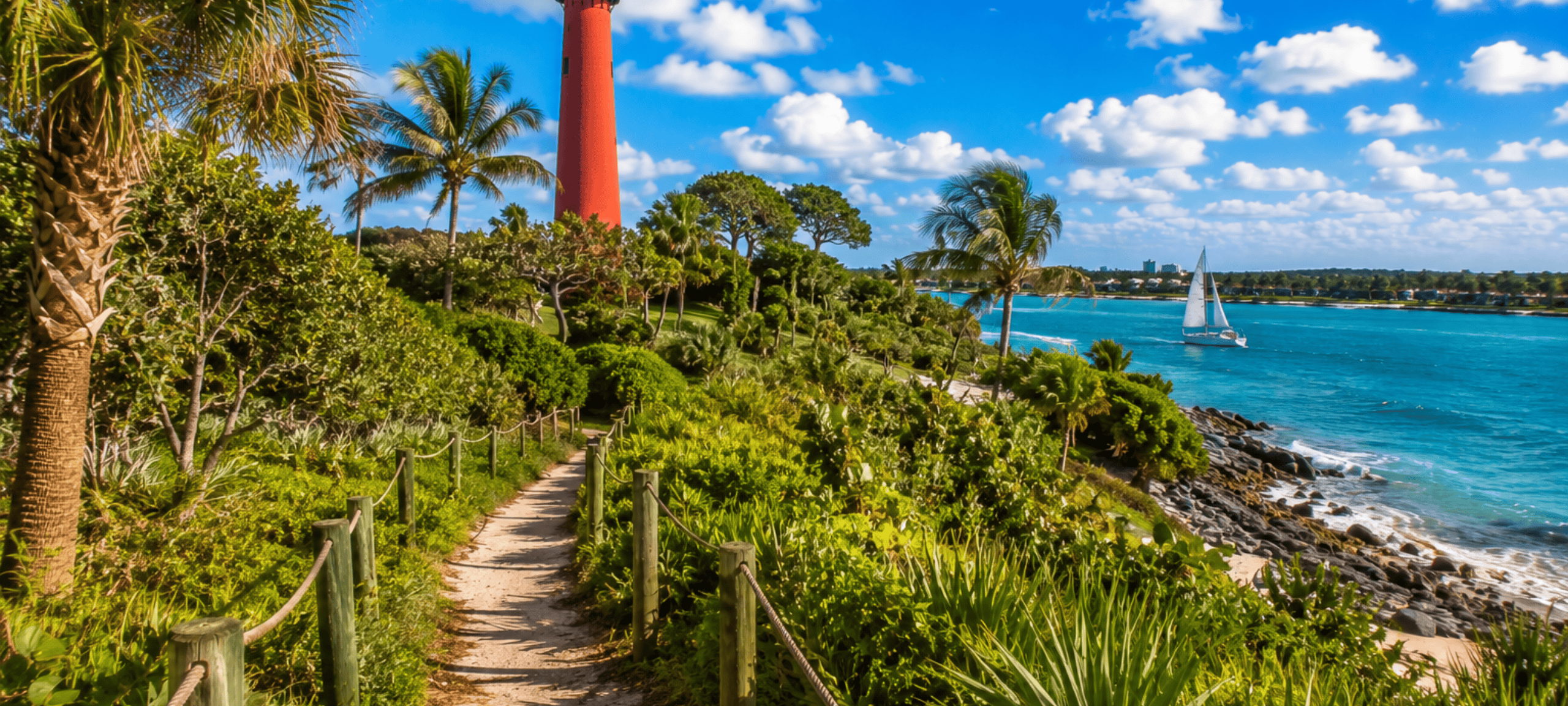
Discover the Magic of Jupiter Inlet Lighthouse Outstanding Natural Area
Jupiter Inlet Lighthouse Outstanding Natural Area is a must-see Florida destination. Discover why this unique mix of history, nature, and adventure is perfect for families and explorers alike.
Introduction to the Jupiter Inlet Lighthouse Outstanding Natural Area
Location and Overview
Tucked away on Florida’s scenic Atlantic coast, the Jupiter Inlet Lighthouse Outstanding Natural Area (ONA) is a blend of breathtaking nature, deep-rooted history, and community conservation. Located in Palm Beach County, this 120-acre federally designated site is the only Outstanding Natural Area east of the Mississippi River. With its iconic red lighthouse standing tall above lush landscapes, it’s not just a landmark—it’s a living museum and natural sanctuary.
History of the Area
Designated as an ONA by Congress in 2008, the site protects more than just the lighthouse. It encompasses prehistoric shell mounds, Civil War-era buildings, and an ecosystem that has flourished for thousands of years. Managed by the Bureau of Land Management (BLM) in collaboration with local partners, the area showcases centuries of human history while preserving the ecological richness of South Florida’s coastal uplands.
The Iconic Jupiter Inlet Lighthouse
Historical Significance
Built in 1860 and still functioning today, the Jupiter Inlet Lighthouse is a beacon of maritime history. It guided sailors through treacherous inlets long before GPS existed. During the Civil War, the lighthouse was extinguished to avoid aiding Union ships. Decades later, it became a critical part of WWII intelligence operations.
Guided Tours and Visitor Experience
Guided tours allow visitors to climb the 105 steps to the top of the lighthouse. From the summit, panoramic views reveal where the Loxahatchee River meets the Atlantic Ocean. The adjacent Lighthouse Museum adds context, showcasing artifacts, documents, and exhibits about the area's early inhabitants and U.S. military presence.
Ecological Significance of the Natural Area
Native Flora and Fauna
The site is home to Florida scrub-jays, gopher tortoises, ospreys, and more. Wildflowers bloom in abundance, while native palms and pines shade winding trails. The ecological variety supports both endangered species and migratory birds, making it a hotspot for conservationists and nature lovers alike.
Protected Habitats
Habitats within the area include mangrove forests, maritime hammocks, and scrub ecosystems. These natural zones are maintained through controlled burns and invasive species removal, helping restore ecological balance and preserve biodiversity.
Outdoor Activities and Recreation
Hiking Trails and Scenic Views
Several trails wind through the area, offering access to scenic overlooks, quiet picnic spots, and interpretive signage. The Hike Through History Trail merges educational insight with outdoor fun, revealing ancient shell middens and native flora along the way.
Water Activities: Kayaking and Paddleboarding
The proximity to the Loxahatchee River and Jupiter Inlet means that kayaking and paddleboarding are popular activities. Visitors can paddle alongside manatees or observe wading birds from a peaceful, water-level perspective.
Cultural and Historical Interpretations
Seminole History and Archaeology
Long before European settlers arrived, this land was home to indigenous tribes, including the Seminoles. The area contains shell mounds and artifacts that provide crucial insights into early Native American life. Archaeological digs have uncovered tools, pottery, and burial sites, offering a window into cultures that thrived here for centuries.
Military and Maritime Heritage
From the Civil War through World War II, the area played a strategic military role. It hosted a secret U.S. Navy listening station that intercepted German transmissions. Visitors can explore these remnants, connecting the tranquil natural environment with its once-critical wartime role.
Conservation Efforts and Protected Status
Role of the Bureau of Land Management (BLM)
The BLM, in collaboration with local and national partners, ensures the site’s ecological and historical integrity. They focus on protecting endangered species, preserving archaeological sites, and maintaining the natural beauty of the landscape. Their presence ensures that this rare coastal upland habitat remains unspoiled for future generations.
Restoration Projects
Ongoing projects focus on invasive species removal, habitat restoration, and trail maintenance. These initiatives help return the land to its original state, encouraging native species to thrive. Community involvement is key, with volunteers contributing to clean-up efforts and ecological monitoring.
Educational Programs and Guided Experiences
School Programs and Family Events
Educational experiences are a cornerstone of the ONA’s mission. Schools frequently bring students for hands-on learning about ecosystems, history, and conservation. Family days and kid-focused programs are hosted throughout the year, offering interactive exhibits and nature-based crafts.
Volunteer and Community Involvement
Locals and visitors alike can volunteer in many ways—from trail maintenance to docent-led tours. These programs not only educate but also foster a sense of stewardship and connection to the land.
Best Times to Visit and Seasonal Highlights
Spring and Fall Attractions
Spring is ideal for blooming wildflowers and active wildlife, while fall brings cooler temperatures and vibrant bird migrations. Both seasons offer the best conditions for hiking and photography.
Wildlife Viewing by Season
-
Winter: Best for spotting manatees in the waterways.
-
Spring: Watch for nesting birds and blooming coastal flora.
-
Summer: Ideal for early morning visits to beat the heat.
-
Fall: Prime time for birdwatchers as migratory species return.
Photography and Scenic Spots
Best Places to Capture the Lighthouse
Photographers love the view from the Observation Deck Trail. At sunrise or sunset, the lighthouse casts a picturesque glow against the sky. Drone photography is restricted, so check the guidelines before flying.
Nature Photography Opportunities
The diverse ecosystems offer plenty of macro and landscape photography chances—everything from butterflies on wildflowers to sweeping shots of the mangrove coastlines.
Accessibility and Visitor Facilities
Parking and Entrance Details
Parking is free, and the entrance is well-marked off U.S. Highway 1. The visitor center provides maps, information, and restrooms.
Amenities and Accessibility Features
Wheelchair-accessible trails, ramps, and shaded seating areas make the park inclusive for all. Guided tours can accommodate different mobility levels with advance notice.
Nearby Attractions and Local Dining
Parks, Beaches, and Museums
Nearby destinations include Dubois Park, Coral Cove Park, and the Loxahatchee River Center. Each offers a unique perspective on local culture and natural beauty.
Recommended Restaurants and Cafés
Don’t miss U-Tiki Beach for waterfront dining or Little Moir’s Food Shack for fresh seafood. Both are just minutes from the ONA and offer a taste of the local culinary scene.
Family-Friendly Attractions
Kid-Focused Activities
Children can join ranger-led scavenger hunts, wildlife watching events, and lighthouse-themed storytelling sessions. These activities foster curiosity and a love for the outdoors.
Interactive Learning Spaces
The on-site museum offers tactile exhibits, 3D maps, and short educational films—making history come alive for younger audiences.
Events and Festivals at the Lighthouse Area
Annual Events
The ONA hosts several annual festivals like Lighthouse Moonrise Tours, NatureFest, and Military Appreciation Day. These events draw crowds and spotlight local traditions.
Cultural and Historical Celebrations
Seasonal storytelling, indigenous craft markets, and Veterans Day tributes create a rich cultural calendar for locals and tourists alike.
Tips for First-Time Visitors
What to Bring
-
Reusable water bottle
-
Comfortable shoes
-
Sun protection (hat, sunscreen, sunglasses)
-
Binoculars for wildlife viewing
-
A camera or phone for capturing scenic views
Do’s and Don’ts for a Great Visit
Do:
-
Stick to marked trails
-
Ask about guided tours
-
Support local conservation shops
Don’t:
-
Feed wildlife
-
Leave trash behind
-
Stray into protected areas
Supporting Local Conservation Efforts
How Visitors Can Help
You can contribute by donating to the Jupiter Inlet Lighthouse and Museum, joining a volunteer day, or adopting a trail. Every bit helps maintain this treasured space.
Donating and Participating in Programs
Visit the official website to make a one-time or recurring donation. Funds go toward trail upkeep, educational materials, and habitat restoration.
FAQs About Jupiter Inlet Lighthouse Outstanding Natural Area
1. Is there an entrance fee to visit the Jupiter Inlet Lighthouse ONA?
The natural area is free to access, but lighthouse tours may have a small fee.
2. Are pets allowed in the ONA?
Leashed pets are allowed on trails, but not in buildings or sensitive habitat areas.
3. How tall is the Jupiter Inlet Lighthouse?
The lighthouse stands 108 feet tall and offers stunning panoramic views.
4. Can you kayak near the ONA?
Yes! Kayaking and paddleboarding are popular on the Loxahatchee River and inlet.
5. Are there restrooms and picnic areas available?
Yes, restrooms and shaded picnic spots are located near the visitor center.
6. Is the ONA open year-round?
Yes, it’s open year-round during daylight hours, though guided tours may vary by season.
Conclusion: Embracing Nature, History, and Adventure
The Jupiter Inlet Lighthouse Outstanding Natural Area isn’t just a scenic stop—it’s a living testament to Florida’s natural and cultural richness. Whether you're an eco-enthusiast, a history buff, or a family looking for your next adventure, this unique site offers something truly special. From its historic lighthouse to its lush trails and educational programs, every visit promises discovery and inspiration.
So pack your camera, lace up your shoes, and prepare to step into a storybook of history and nature on Florida’s treasured coast.
Posted by Brook Walsh onEnjoy this blog post? Click here to subscribe for updates
Leave A Comment