

What if the most significant investment you make this year isn't found in a financial portfolio, but in the very silhouette of the place you call home? Selecting from the diverse architectural styles of luxury homes is a refined craft that extends far beyond mere aesthetics. It is about anchoring your lifestyle in a space that reflects your personal evolution. You might find yourself caught between the clinical precision of mid-century Modernism and the inviting, organic textures of the 2026 Warm Minimalism trend. It's a common hesitation. Many owners fear choosing a signature style that might feel like a dated relic in just a few years.
We understand that articulating a visceral aesthetic preference to a broker can often feel like translating a dream into a technical manual. This guide provides the clarity you need to choose with confidence. You will discover how the most prestigious architectural styles define the modern luxury lifestyle while securing the long-term investment value of your estate. We will explore the shift toward wellness-centered design and the specific features that ensure your next move feels like a curated arrival into a lasting sanctuary.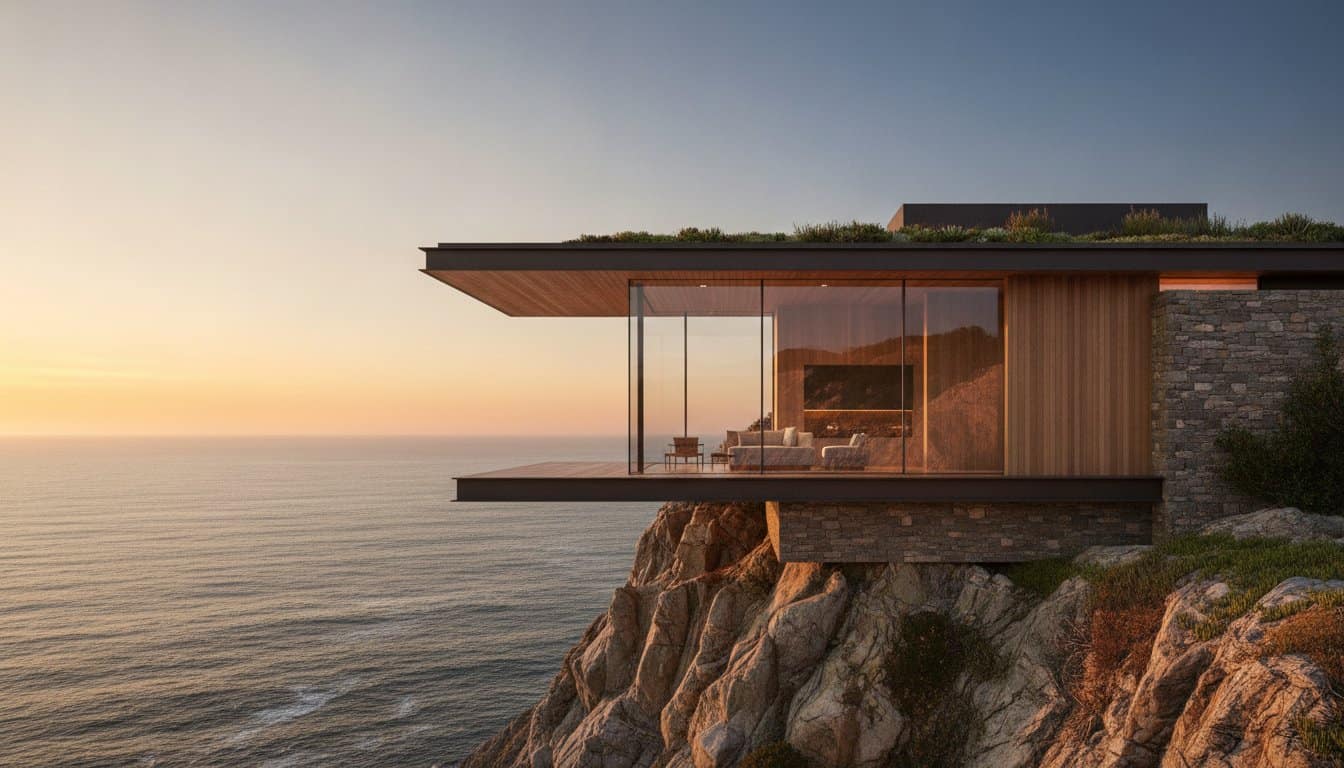
Key Takeaways
- Understand how architectural integrity serves as a refined craft that transforms a property into a place of arrival and lasting belonging.
- Learn how selecting specific architectural styles of luxury homes can safeguard your long-term investment while reflecting your personal aesthetic.
- Explore the shift toward biophilic design and 2026's Warm Minimalism to create a home that fosters wellness and connection to nature.
- Discover a practical framework for aligning a home’s structural design with your daily rituals and future maintenance expectations.
- Gain confidence in navigating your next curated move by partnering with an expert who treats real estate as a philosophy of living.
Table of Contents
- The Defining Characteristics of Luxury Home Architecture
- Timeless Elegance: Classical and European-Inspired Styles
- The Modern Vanguard: Contemporary and Minimalist Luxury
- Evaluating Architectural Styles for Lifestyle and Long-Term Value
- Navigating Your Luxury Real Estate Journey with Abode
The Defining Characteristics of Luxury Home Architecture
Luxury architecture is far more than a collection of high-end finishes or expansive square footage. It is a deliberate synthesis of high-level craftsmanship and intentional design. When we examine the various architectural styles of luxury homes, we see that the most enduring estates are those where every line and material choice serves a specific purpose. This creates a profound sense of arrival and lasting belonging. It's about moving beyond property ownership into a philosophy of living.
To appreciate the depth of these designs, one can look at a comprehensive list of architectural styles to see how historical precedents inform modern luxury. True architectural integrity ensures that a home feels like a curated sanctuary, tailored specifically to the rhythms of its inhabitants. Rare materials like hand-selected marble and custom millwork aren't just accents. They're the foundation of an estate's identity. These elements reflect a commitment to quality that transcends market trends and provides a sense of permanence.
To better understand how these elements come together in a physical space, watch this visual exploration of luxury design inspiration:
The Role of Craftsmanship in High-End Design
Artisan-led construction is the heartbeat of a prestigious estate. Bespoke details distinguish luxury architecture from mass-market builds because they represent a human touch that machines cannot replicate. High-register materials like natural stone and rare woods aren't just decorative choices. They're investments in durability and aesthetic depth. Specialized architectural specifications ensure that custom millwork and hand-carved stone become the defining features of the structure, elevating it from a building to a work of art. This level of precision requires careful management and a deep respect for the architectural styles of luxury homes that have come before.
Balancing Aesthetics with Functional Excellence
A luxury home must perform with the same grace it exhibits visually. This requires the seamless integration of invisible technology within classical or modern frames. Whether it's AI-optimized energy systems or whole-house soundscaping, the technology should serve the resident without cluttering the visual design. Modern homes now incorporate biometric security and purified air systems as standard expectations for a healthy lifestyle. Architectural harmony is the perfect alignment of form and utility. This balance ensures the home remains a personal retreat that simplifies life rather than complicating it. It's a tactical approach to design that prioritizes the optimization of assets and the comfort of the individual.
Timeless Elegance: Classical and European-Inspired Styles
European influences remain the gold standard for traditional luxury because they evoke a sense of permanence and pedigree that modern builds often struggle to replicate. These designs are rooted in centuries of aesthetic refinement. They offer more than just shelter; they provide a narrative of heritage and cultural depth. For those seeking a home that feels like a multi-generational estate, a breakdown of luxury architectural styles reveals why these classical forms continue to dominate the high-end market. It's about moving into a structure that has already stood the test of time in the collective imagination.
Mediterranean and Spanish Colonial Revival
The enduring appeal of Mediterranean and Spanish Colonial Revival architecture lies in its celebration of the environment. These homes are characterized by thick stucco walls, graceful arched openings, and warm terracotta accents. They're designed to facilitate a seamless transition between indoor and outdoor living. This architectural choice is less about the structure itself and more about the lifestyle of leisure it enables. Imagine unhurried mornings in a private courtyard or evenings spent under a vine-covered pergola. These architectural styles of luxury homes are particularly resonant in coastal regions where the climate allows the home to breathe and expand into the landscape.
French Provincial and Chateauesque Splendor
French-inspired designs project an unmistakable sense of romanticism and established history. French Provincial homes often feature steep hipped roofs and ornate stonework that suggest a quiet, rustic elegance. Chateauesque estates take this a step further with grand turrets and complex rooflines that echo the palaces of the Loire Valley. The interior flow of these properties usually favors formal entertaining. Large salons and grand dining rooms are designed to foster social bonds and host significant life events. It's a style that prioritizes the home as a stage for a well-lived life.
Neoclassical and Georgian estates offer a different kind of prestige through formal symmetry and a grand presence. These homes use balanced proportions and stately columns to create a sense of order and quiet authority. They're the architectural equivalent of a bespoke suit. Every element is measured and precise. If you're beginning to envision your own signature style, our experts are here to guide you through a curated move into your next chapter. Choosing a home with such deep historical roots ensures that your investment remains as relevant in a decade as it is today. This tactical approach to selection transforms a transaction into a legacy.
The Modern Vanguard: Contemporary and Minimalist Luxury
Modernism has shed its cold, industrial skin to reveal a more human-centric core. While the mid-century movement introduced the revolutionary idea of blurring boundaries, the 2026 evolution of architectural styles of luxury homes focuses on an even deeper integration of the self and the surroundings. This transition marks a shift from stark, clinical spaces to what designers now call Warm Minimalism. It's a philosophy that uses negative space not to create emptiness, but to provide a mental reset. By stripping away the superfluous, these designs allow the high-level craftsmanship of the raw materials to speak for themselves. Structural steel, once hidden, is now celebrated for its precision, while adaptive smart-glass allows for a level of transparency that was previously impossible to achieve without sacrificing privacy.
Sustainable Luxury and Biophilic Integration
Luxury now demands environmental harmony as a primary specification. It's no longer an optional upgrade or a secondary thought. Since January 1, 2026, updated building codes like California's Title 24 have pushed the industry toward stricter energy efficiency and solar-ready mandates, but true luxury architecture goes far beyond mere compliance. Biophilic design brings the outside in through the use of living walls and internal courtyards that act as the lungs of the home. These estates prioritize emotional security by rooting the resident in the natural world. Features like geothermal systems and natural light optimization are silent partners in a well-lived life, ensuring the home performs as a health sanctuary. It's a move toward ecological footprints that are as light as the structures themselves.
Ultra-Modernism and the Future of Estate Design
The silhouette of the future is defined by gravity-defying cantilevered structures that seem to float above their natural landscapes. Expansive glass curtain walls dissolve the barrier between the interior sanctuary and the horizon, offering unobstructed views that become the primary artwork of the home. In this new chapter of design, smart-home technology isn't a collection of gadgets added after the build. It's embedded into the very fabric of the architecture. Biometric security, AI-optimized energy usage, and whole-house soundscaping are woven into the structural plans from day one. The 2026 modern home is a tactical masterpiece of light and glass. It reflects a sophisticated understanding of how environment shapes daily experience, making every morning feel like a fresh arrival into a curated future.
Choosing an ultra-modern style is a tactical decision for the discerning investor. It represents a flight to quality that prioritizes long-term resilience and technological relevance. These homes aren't just properties; they're high-performance assets designed for the next generation of living. When you align your lifestyle with these forward-thinking designs, you're not just buying a house. You're securing a place in the modern vanguard of high-end living.
Evaluating Architectural Styles for Lifestyle and Long-Term Value
Selecting among the various architectural styles of luxury homes is a tactical exercise in personal alignment. It requires a deep understanding of how your daily routines interact with the physical environment. Maintenance requirements are a significant part of this equation. Stone-heavy designs, such as Mediterranean or Neoclassical, often offer superior resilience against the elements. They require less frequent exterior intervention than wood-heavy Contemporary or Craftsman estates. However, the choice often depends on your geographic market. Coastal properties face unique challenges. Since 2022, windstorm insurance premiums in regions like South Florida have risen by 30 to 60 percent. This makes hurricane-rated glass and resilient materials not just aesthetic choices, but financial imperatives.
Matching Style to Personal Lifestyle Needs
A Mediterranean courtyard provides a secluded sanctuary that addresses the security and privacy concerns shared by 81 percent of luxury buyers in 2026. In contrast, the expansive glass of a Modern home offers a sense of boundless freedom for those who prioritize a connection to the landscape. Family-centric buyers often gravitate toward the warmth and divided spaces of a Tudor or Craftsman estate. These designs nurture social bonds in cozy, defined areas. Frequent entertainers, however, benefit from the grand proportions and formal flow of Neoclassical designs. These structures are built for the refined craft of hosting and grand social gatherings.
Architecture as a Real Estate Investment Asset
Architectural integrity is a primary driver of premium resale pricing. Timeless styles tend to hold their value better than fleeting trends because they appeal to a broader segment of high-net-worth individuals. First impressions are critical. Curb appeal often dictates the initial emotional response in a high-stakes transaction. With the national median luxury home sale price rising 4.7 percent in the three months ending May 31, 2026, the optimization of these assets is more important than ever. Professional property management is essential for preserving the value of complex architectural features. This ensures that custom millwork and rare stone remain in pristine condition for years to come.
Choosing a home is more than a transaction. It is a curated move into a new chapter of your life. For those ready to begin this journey, our team provides luxury residential sales expertise to help you identify the perfect signature style. We act as well-connected guides through the world of high-end design, ensuring your investment aligns with your lifestyle and your long-term financial objectives. This boutique approach provides the calm confidence needed to navigate the complexities of the modern luxury market.
Navigating Your Luxury Real Estate Journey with Abode
Finding the perfect estate is an exercise in discerning the subtle nuances that define the various architectural styles of luxury homes. At Abode Real Estate, we don't view this process as a mere transaction. We treat it as a refined craft. Our team acts as a high-level facilitator, guiding you through the complexities of the market with a calm confidence that national franchises simply can't replicate. We understand that evaluating the authenticity of a Mediterranean arch or the structural integrity of a cantilevered modern home requires deep, localized knowledge. This expertise ensures that your next property isn't just a house, but a true sanctuary that resonates with your personal philosophy of living.
A Boutique Approach to Luxury Residential Sales
Our boutique model is built on the principle of high-touch, personalized service. We provide hands-on attention to every architectural detail, from the precision of custom millwork to the efficiency of integrated smart systems. By working with a refined local expert, you gain access to insights that go beyond surface-level aesthetics. We help you look past the staging to see how a home's design will perform over the long term. We invite you to view your search as a curated journey into a new chapter. It's about finding that specific motif of arrival and belonging that makes an estate feel like home from the moment you step through the door.
Comprehensive Services for the Discerning Homeowner
The synergy between our luxury residential sales and full-service property management ensures that your investment is protected long after the closing date. We don't just help you acquire an asset; we help you optimize it. Through tactical planning and rigorous market analysis, we evaluate how different architectural styles of luxury homes will influence your future resale value and maintenance costs. This holistic view allows us to align your property search with both your daily lifestyle needs and your broader financial objectives. Whether you're focused on investment property acquisition or finding a personal retreat, our team provides the sophisticated guidance required for high-stakes decisions.
Every estate tells a story. We're here to help you write the next one with transparency and integrity. If you're ready to explore the market through a more intentional lens, we invite you to reach out for a personalized consultation. Let us help you navigate the nuances of high-end design and secure a property that serves as a lasting legacy for years to come.
Your Signature Chapter Awaits
Choosing between the various architectural styles of luxury homes is a tactical decision that defines your daily experience and secures your financial legacy. We've explored how the formal symmetry of classical estates and the glass-walled transparency of modern sanctuaries each serve a specific purpose in the modern market. Architecture is the silent narrator of your life. It shapes your social bonds and provides a personal retreat from the complexities of the world. By prioritizing craftsmanship and biophilic harmony, you ensure that your home remains a timeless asset for the next generation.
At Abode Real Estate, we treat every transaction as a refined craft. Our boutique service model prioritizes personal care and deep-rooted integrity, moving beyond market data to focus on high-end lifestyle curation. We combine tactical asset planning with a sophisticated understanding of localized design trends to guide you through every stage of your move. We believe that real estate is more than property; it's a philosophy of living that deserves a well-connected guide.
Begin your curated real estate journey with Abode Real Estate today. Your next chapter starts with a single, intentional choice. We look forward to facilitating your arrival home.
Frequently Asked Questions
What is the most popular architectural style for luxury homes in 2026?
Warm Minimalism is the defining aesthetic of the current market, blending clean lines with organic textures and handcrafted finishes. This style intentionally moves away from the clinical feel of previous decades to prioritize emotional security and personal comfort. It often incorporates biophilic elements that ground the resident in the natural world, making the home feel like a living sanctuary rather than just a structure.
How does architectural style affect the resale value of a luxury property?
Architectural style acts as a primary driver for long-term investment value and market desirability. Properties that exhibit clear architectural integrity often command higher prices because they appeal to a buyer's sense of permanence and prestige. Choosing among the various architectural styles of luxury homes requires a tactical view of how a specific design will age and perform in your specific geographic market.
What is the difference between modern and contemporary luxury architecture?
Modern architecture refers to the specific design principles established during the mid-century movement, while contemporary design reflects whatever is innovative and relevant right now. In 2026, contemporary luxury includes cantilevered structures, smart-glass technology, and a heavy focus on ecological footprints. Understanding this distinction helps you articulate your aesthetic preferences with precision when speaking to a broker or architect.
Are traditional architectural styles still a good investment for high-end buyers?
Traditional styles like Mediterranean and Neoclassical remain exceptionally strong investments due to their historical prestige and sense of pedigree. These designs offer a profound sense of arrival and belonging that many high-net-worth individuals still crave for their primary estates. They provide a reliable hedge against shifting fashions, ensuring the property maintains its allure and value across multiple generations.
How do I choose an architectural style that fits my lifestyle?
Choosing a style starts with an honest evaluation of your daily routines and personal rituals. If you value seclusion and quiet reflection, a Mediterranean courtyard or a traditional Tudor layout might be ideal. If you thrive in light-filled, open spaces for grand entertaining, an ultra-modern estate with glass curtain walls will better serve your specific lifestyle needs and social bonds.
What role does sustainable design play in modern luxury architecture?
Sustainability is now a core pillar of high-end design rather than an optional addition for eco-conscious buyers. With the 2026 updates to building codes like California's Title 24, luxury homes must prioritize energy efficiency, solar-ready systems, and resilient materials. This tactical planning reduces environmental impact while significantly enhancing the home's performance as a private health sanctuary and a future-proof asset.
Can I renovate a traditional luxury home to include modern smart-home features?
Renovating a classical estate to include smart-home features is a specialized skill that preserves historical charm while adding modern utility. Invisible technology allows you to enjoy whole-house soundscaping, purified air systems, and biometric security without disrupting ornate millwork or period-correct stonework. It's a curated move that successfully brings a legacy property into the current era without sacrificing its soul.
Why is architectural integrity important when purchasing a luxury estate?
Integrity ensures that every element of the estate works in harmony to create a cohesive narrative and a sense of place. When a home follows a consistent architectural philosophy, it feels like a refined craft rather than a collection of disparate trends. This level of precision is what distinguishes a true luxury estate from a standard build, providing the calm confidence that your home is a masterpiece.
Posted by Brook Walsh onEnjoy this blog post? Click here to subscribe for updates
Leave A Comment